
About Sayeem Rana
Dr. Md. Ziaur Rahman (Sayeem Rana) is a Bangladeshi musicologist, composer, and educator whose work bridges traditional heritage with contemporary musical expression.
He serves as an Assistant Professor in the Department of Music at the University of Dhaka, where his teaching, research, and creative projects explore the depth of mass music, folk traditions, and the evolving sound landscape of South Asia.
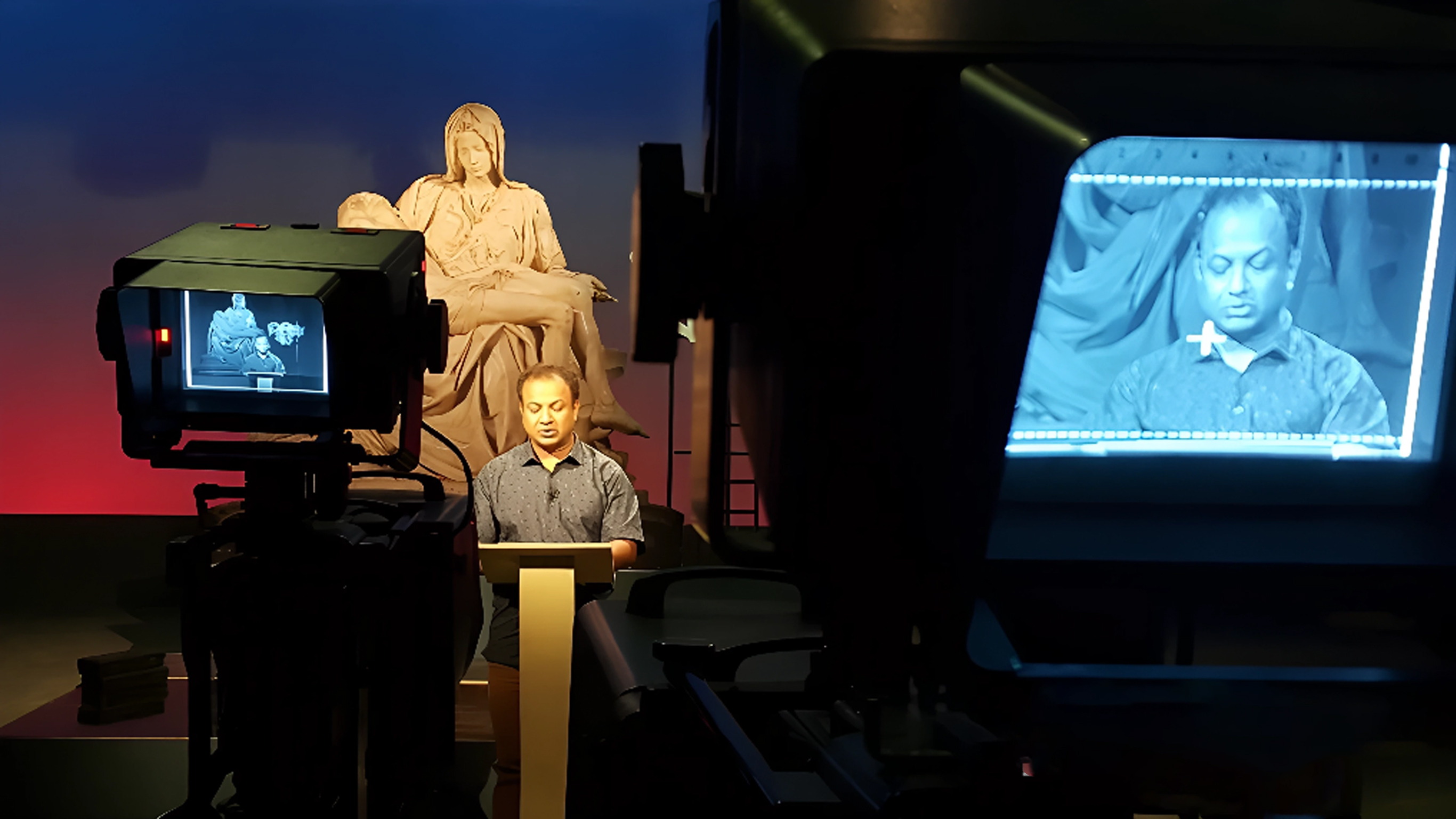
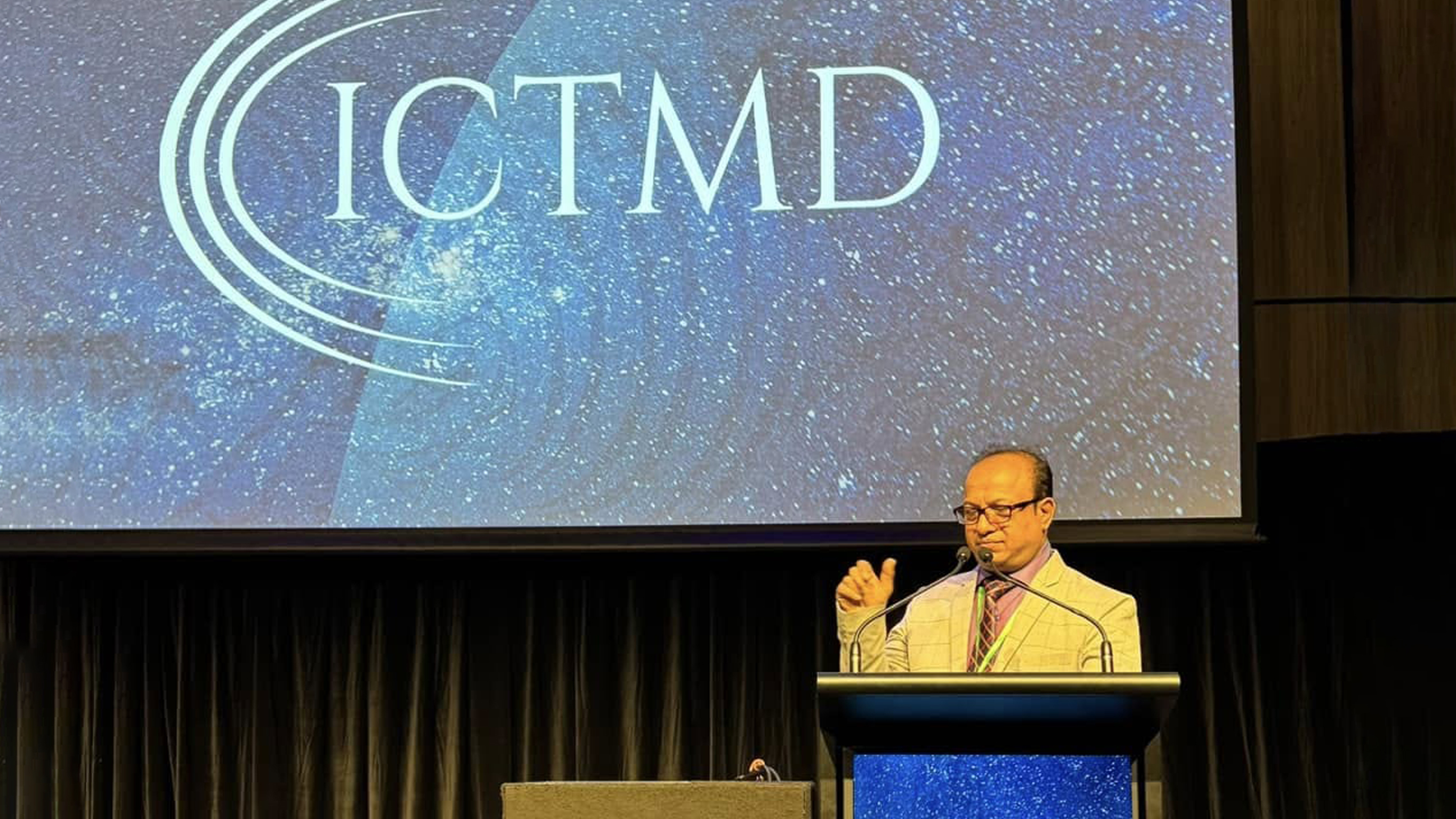
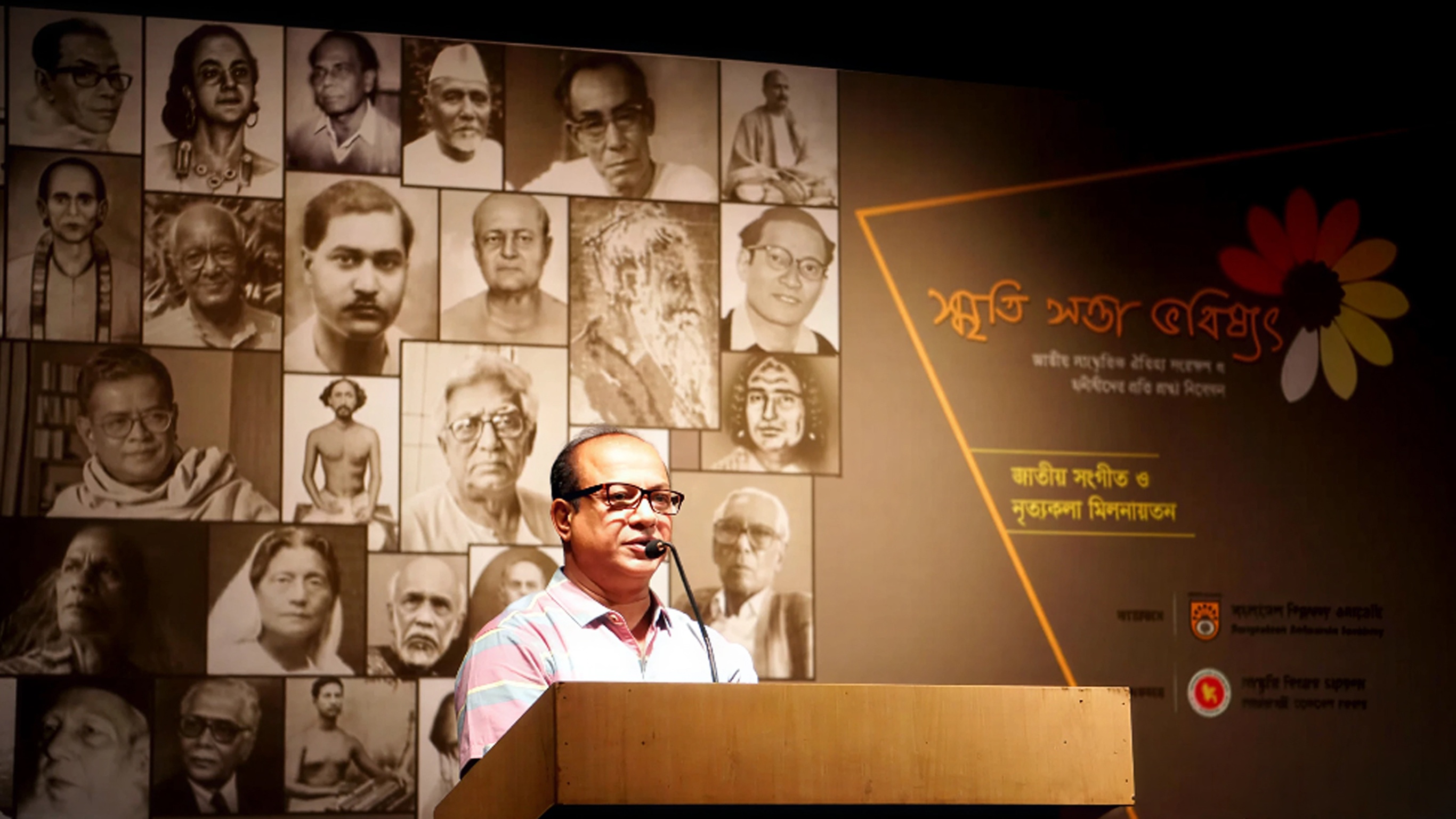
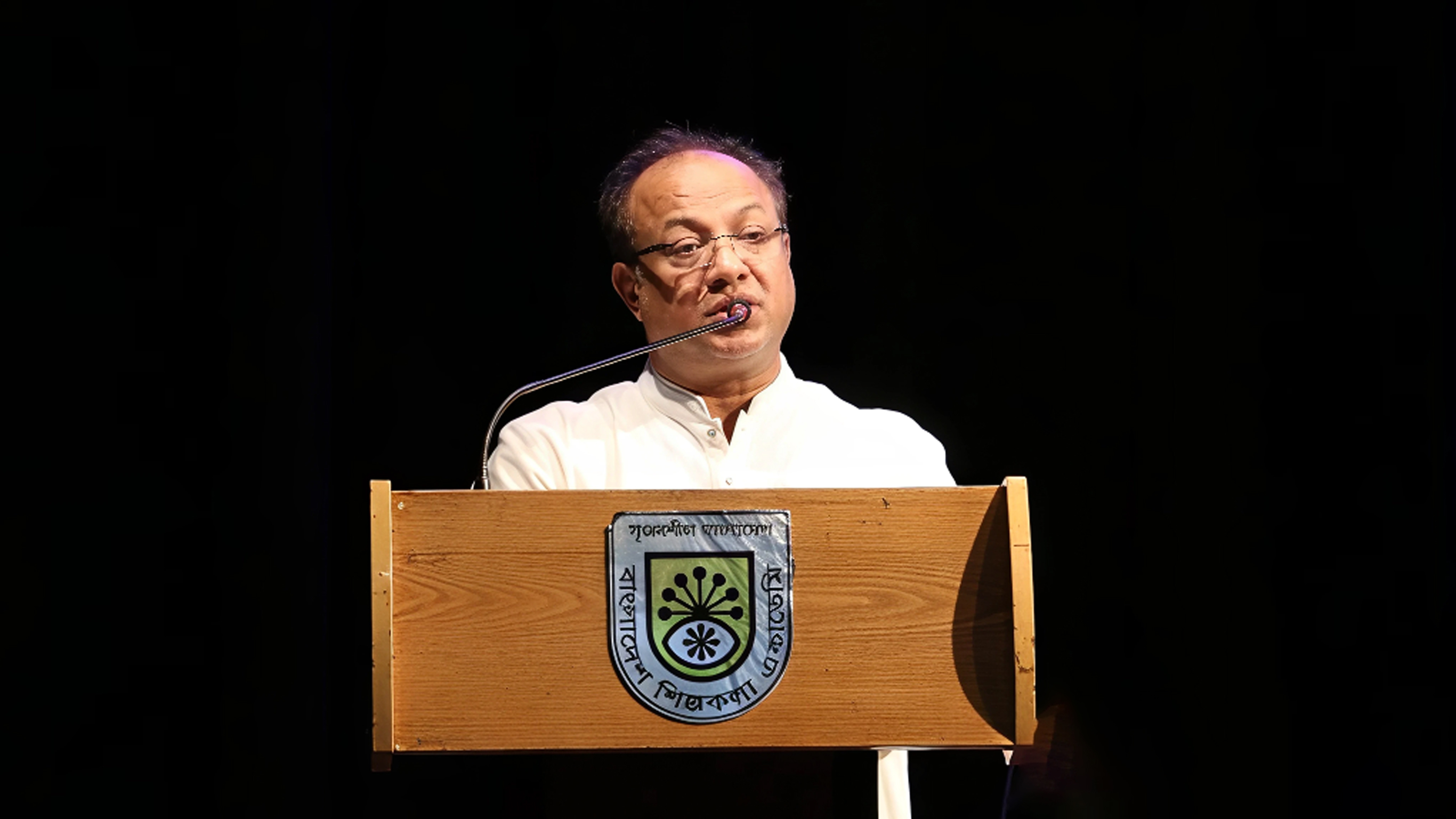
With a PhD in Music from the University of Dhaka, Dr. Rana’s academic journey is rooted in the study of Bangladesh’s “Mass Music” — its subjects, tonal variations, and cultural identity. His scholarly interests extend across ethnomusicology, traditional instruments of Japan and Korea, film music, notation systems, and the sacred vocal traditions of South and East Asia. He has trained extensively in Japan and Korea under prestigious cultural scholarships, including the Bunka-cho Scholarship (Japan) and the Cultural Partnership Initiative (Korea), gaining mastery over instruments such as the Gayageum, Janggu, Shamisen, Kokyu, Kotsuzumi, Koto, and various Buddhist vocal traditions.
Alongside academia, Dr. Rana is an award-winning music director and composer. His work for the National Film Award–winning feature Nakabbarer Mahaprayan established him as a significant creative voice in contemporary Bangladeshi music direction. He has composed and directed music for theatre, film, historical productions, open-air performances, and thematic musical works presented on prominent national stages. His performances and compositions have been showcased globally, including Japan, South Korea, India, Slovenia, Ireland, China, Thailand, Bhutan, and Sri Lanka.
He is the author of several influential books on music, culture, and traditional instruments, and his research has appeared in major national and international journals. As a member and liaison officer of the International Council for Traditional Music (ICTM), he actively contributes to global dialogues on music heritage, cultural identity, and preservation.
At the intersection of scholarship and artistry, Dr. Rana’s work reflects a lifelong dedication to understanding music not only as sound — but as memory, philosophy, and collective experience. His portfolio integrates research, direction, composition, performance, and visual art into a unified practice that continues to inspire students, audiences, and cultural communities across borders.